

A world as immersive as Pandora does not create itself. Behind every floating mountain, every bioluminescent forest, and every volcanic ash cloud stands the singular vision of director James Cameron and his team of artistic geniuses. For Avatar: Fire and Ash, that vision has expanded to encompass new emotional territory, new musical landscapes, and a behind-the-scenes effort that rivals the scale of the film itself.
James Cameron: The Master Returns
No filmmaker understands the marriage of technology and emotion quite like James Cameron. From The Terminator to Titanic to the first Avatar, he has consistently pushed cinema forward while never losing sight of what makes audiences care. With Fire and Ash, Cameron completes a journey that began over fifteen years ago.
Cameron has described this film as the darkest chapter yet. The loss of Neteyam in the previous film casts a long shadow over every scene, and Cameron refuses to let audiences forget it. But he also understands that darkness must be balanced with light. The bond between the Sully family, the wonder of discovering new parts of Pandora, and the hope that even enemies might find common ground these elements keep the film from becoming overwhelming.
What makes Cameron’s direction so effective is his patience. He allows shots to breathe. He trusts his audience to sit with emotion rather than cutting away quickly. In an era of fast-paced editing, Cameron’s willingness to hold on a character’s face, to let the silence stretch, gives Fire and Ash a weight that few blockbusters achieve.
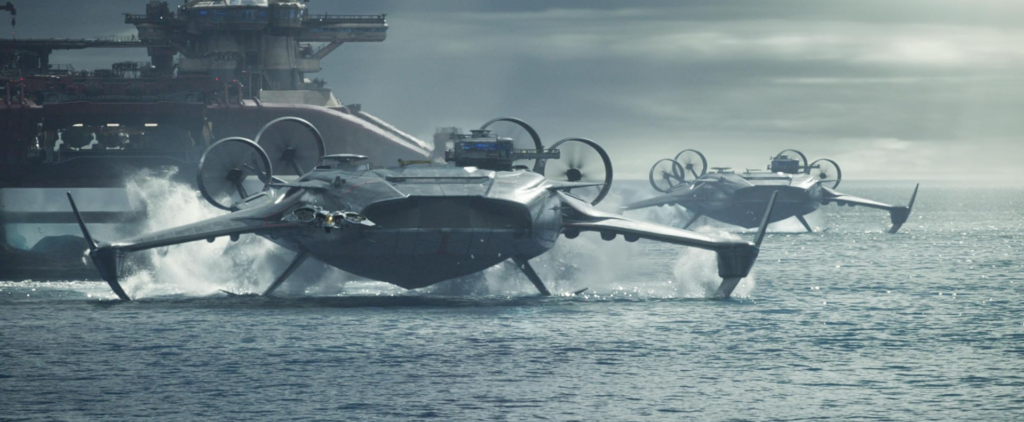
Simon Franglen: Carrying the Torch
When James Horner, composer of the original Avatar‘s unforgettable score, passed away in 2015, fans wondered who could possibly fill his role. For The Way of Water, Simon Franglen stepped up—having worked closely with Horner for decades—and delivered a score that honored his mentor while establishing its own identity. For Fire and Ash, Franglen goes even further.
The score for Fire and Ash is more complex and more challenging than its predecessor. Where The Way of Water leaned into ethereal beauty and oceanic wonder, this film requires music that can capture both volcanic destruction and intimate grief. Franglen weaves themes from the previous films throughout, creating musical continuity that rewards attentive listeners.
The introduction of the Ash People brings new musical elements. Franglen incorporates darker instrumentation—lower registers, percussive patterns that mimic volcanic rumbles, vocals that suggest mourning rather than celebration. Yet even in these darker moments, fragments of the familiar Avatar themes peek through, reminding audiences that these are still Na’vi, still children of Eywa, even if they have chosen a different path.
Behind the Scenes: Building Fire
The production of Fire and Ash was a logistical marvel. While The Way of Water required massive water tanks and underwater performance capture, this film demanded the opposite: environments of extreme heat and volcanic destruction.
The performance capture stages were redesigned to accommodate new challenges. Actors performed on sets designed to simulate unstable volcanic terrain, requiring new approaches to movement and safety. The visual effects team at Weta Digital, now Weta FX, developed entirely new software to render fire, smoke, and ash interacting with characters in realistic ways.
One of the greatest technical achievements involves the lighting. In previous Avatar films, Pandora’s bioluminescence created soft, ethereal light. For Fire and Ash, the light source is often volcanic harsh, orange, casting long shadows. The team had to create rendering solutions that could handle these contrasting light sources while maintaining the photorealistic quality audiences expect.
The Cinematography of Russell Carpenter
Russell Carpenter, Cameron’s director of photography since True Lies, returns for his fourth collaboration with the director. Carpenter faces unique challenges on Avatar films—he is not photographing physical sets but working alongside the virtual camera team to compose shots in real-time within the computer-generated world.
For Fire and Ash, Carpenter and Cameron pushed the virtual camera further than ever. The volcanic environments allow for dramatic lighting contrasts—deep shadows pierced by lava glow, ash-filled skies that filter light in unfamiliar ways. Carpenter’s background in traditional cinematography informs every decision, ensuring that even fully digital images maintain the compositional principles of great photography.
A Two-Hundred-Million-Dollar Gamble
With a reported budget exceeding two hundred fifty million dollars, Fire and Ash represents one of the most expensive independent productions in cinema history. But Cameron has earned the right to such gambles. Every Avatar film has broken box office records, and early projections suggest Fire and Ash will continue that trend.
The gamble is not just financial but artistic. Cameron could have played it safe, delivering more of what worked in previous films. Instead, he chose to evolve—to introduce moral complexity, to challenge his heroes, to take audiences to uncomfortable places. That willingness to risk failure is what separates true artists from mere content creators.
The Legacy Continues
Fire and Ash is not the end. Cameron has already confirmed that Avatar 4 and *5* are in various stages of development, with some performance capture already completed. But this third chapter represents a turning point—the moment when the saga moves from introduction and expansion into resolution.
For the complete verdict on whether Cameron’s gamble pays off, including a full breakdown of the story, performances, and technical achievements, read Avatar: Fire and Ash Full Movie Review