

When Zootopia first released, it stood out as more than just an animated movie. It combined humor, world-building, and meaningful themes in a way that appealed to both kids and adults.
Now, with Zootopia 2, viewers naturally ask: How different is the sequel, and does it live up to the original?
This comparison breaks down what changed and what stayed the same — completely spoiler-free.
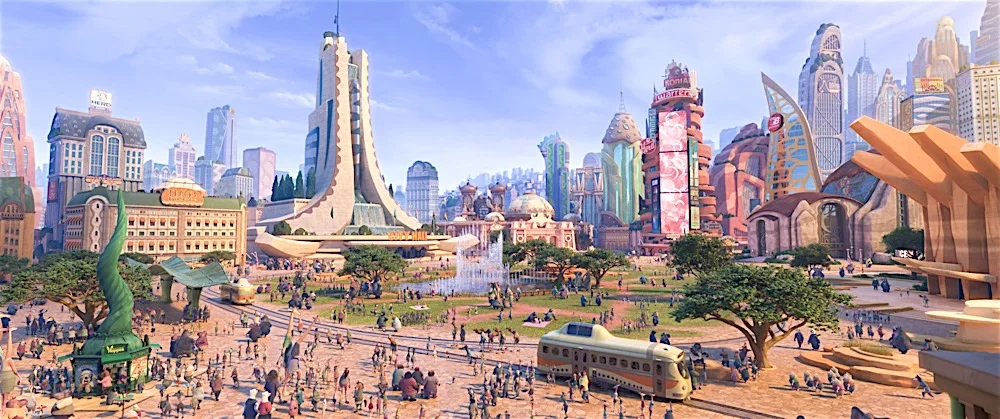
The World of Zootopia: Bigger and More Detailed
What Stayed the Same
The core idea of Zootopia as a diverse, carefully structured city remains intact. The animal districts, social rules, and clever visual storytelling are still central to how the world works.
The city still feels imaginative and grounded at the same time — one of the original film’s biggest strengths.
What Changed
In Zootopia 2, the world feels larger and more layered. The sequel expands the city, giving viewers a stronger sense that Zootopia is constantly evolving. The environments feel more lived-in, with extra detail and depth that weren’t possible in the first movie.
This expansion helps the sequel feel fresh without reinventing the world entirely.
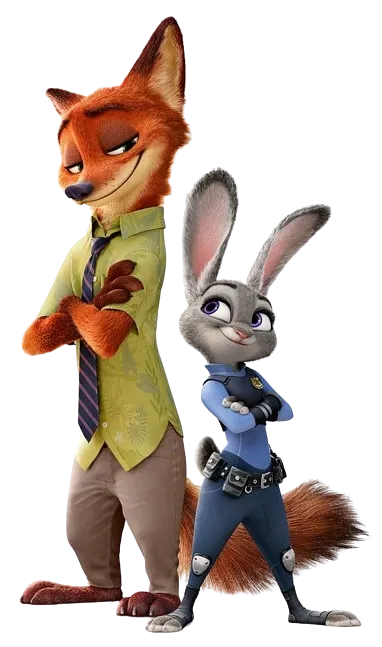
Judy Hopps & Nick Wilde: A More Mature Dynamic
What Stayed the Same
At its heart, the franchise is still driven by Judy and Nick’s partnership. Their contrasting personalities, quick dialogue, and natural chemistry remain a major highlight.
The humor and emotional balance between them feels familiar in the best way.
What Changed
The biggest difference is growth. In the sequel, their relationship feels more experienced and confident. They interact less like strangers learning to trust each other and more like partners who already share history.
This makes their conversations feel more layered and emotionally grounded compared to the first film.
Storytelling & Tone
What Stayed the Same
Both movies balance comedy with meaningful ideas. Neither relies solely on jokes or action — the story always carries emotional and thematic weight.
The tone remains accessible for younger viewers while offering deeper layers for adults.
What Changed
Zootopia 2 feels more refined in its pacing and storytelling. The sequel trusts the audience more, allowing moments to breathe and ideas to develop without rushing.
The result is a story that feels slightly more mature while still being family-friendly.
Themes and Messages
What Stayed the Same
The franchise continues to explore real-world ideas through animation. Themes like cooperation, understanding differences, and social responsibility are still present.
The message is never delivered in a heavy-handed way — it’s woven naturally into the story.
What Changed
The sequel builds on these themes rather than repeating them. Instead of re-teaching lessons from the first movie, Zootopia 2 expands on them, reflecting a world that has already learned — and is still learning.
This progression makes the sequel feel purposeful, not repetitive.
Animation & Visual Quality
What Stayed the Same
The expressive character animation and attention to detail that made the original memorable are still there.
Zootopia’s visual identity remains consistent and recognizable.
What Changed
Technically, the sequel is a clear upgrade. Lighting, textures, and movement are smoother and more cinematic. The visual improvements enhance immersion without distracting from the story.
Final Comparison Verdict
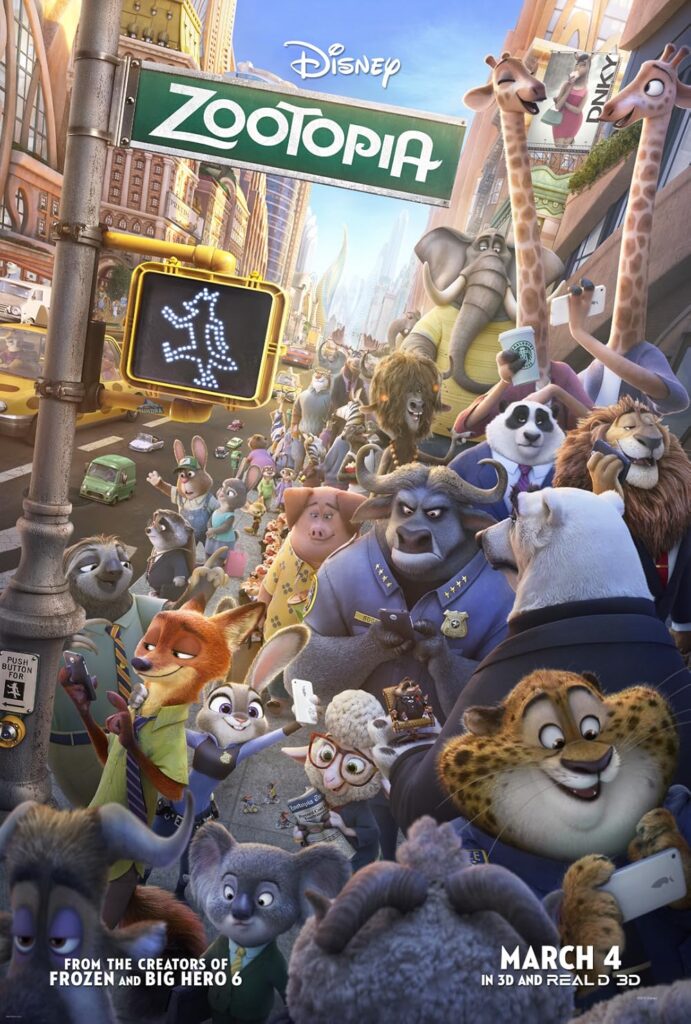
Zootopia 1 introduced a smart, imaginative world with strong characters and meaningful themes.
Zootopia 2 builds on that foundation by expanding the world, deepening relationships, and refining the storytelling.
Rather than trying to outdo the original, the sequel evolves it — which is exactly what a good follow-up should do.
Related Reading
For a complete spoiler-free breakdown of the sequel, read our full Zootopia 2 full movie review.